
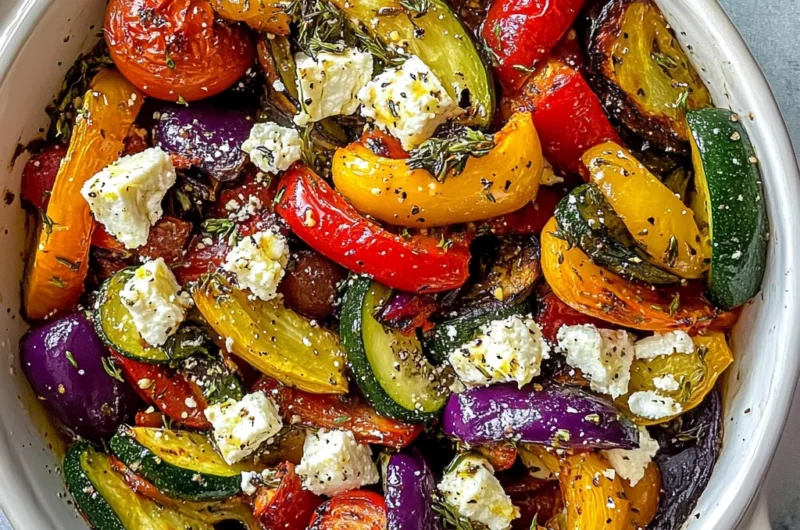
The vibrant colors of Greek vegetables dance in the sunlight, their earthy aromas wafting through the air, promising a symphony of flavors that will awaken your taste buds. Imagine sinking your teeth into juicy tomatoes bursting with sweetness, crisp cucumbers refreshing your palate, and succulent bell peppers adding a delightful crunch—it’s a culinary experience you won’t soon forget.
Growing up, my grandmother would lovingly prepare a platter of these Mediterranean gems every Sunday, turning our kitchen into a fragrant haven filled with laughter and stories. Whether shared at a summer barbecue or enjoyed as a cozy weeknight dinner, Greek vegetables bring people together, creating memories as rich and flavorful as the dish itself. Get ready for an explosion of taste that’s not just food but a celebration on your plate!
Why are Greek Vegetables so irresistible?
Discover the vibrant flavors of the Mediterranean with this recipe!
- Easy to prepare: Whip up a delicious dish in under 30 minutes.
- Packed with nutrients: Enjoy a healthy boost without sacrificing taste.
- Versatile: Perfect as a side or a main, it suits any occasion!
- Crowd pleaser: Impress family and friends with colorful, appealing veggies.
Get ready to relish every bite of these delightful Greek Vegetables!
Greek Vegetables Ingredients
For the Roasted Veggies
- Eggplant – adds a creamy texture; be sure to slice it thinly for even cooking.
- Zucchini – a fantastic way to sneak in more veggies; choose medium-sized for the best flavor.
- Bell Peppers – opt for a mix of colors to brighten your dish and enhance sweetness.
- Red Onion – brings a slight tanginess that complements the other vegetables perfectly.
- Cherry Tomatoes – bursting with flavor and juiciness; they help create a delightful sauce as they roast.
For the Dressing
- Olive Oil – the cornerstone of Greek cuisine; use high-quality extra virgin for the best taste.
- Lemon Juice – adds brightness and acidity; fresh-squeezed is always best!
- Oregano – this herb infuses your Greek vegetables with an aromatic, earthy flavor.
For Garnishing
- Feta Cheese – crumbled on top for creaminess and a salty kick; it’s a classic pairing with Greek dishes.
- Fresh Parsley – chopped, it brings freshness and color to your finished dish!
How to Make Greek Vegetables

1. Prep the veggies: Start by washing and chopping your favorite vegetables like bell peppers, zucchini, and eggplant into bite-sized pieces. Aim for vibrant colors to make your dish visually appealing!
2. Sauté the mix: Heat olive oil in a large skillet over medium heat. Add your chopped vegetables and sauté for about 8-10 minutes, stirring occasionally until they are tender and slightly charred.
3. Season generously: Sprinkle with salt, pepper, and dried oregano to elevate the flavors. Stir well and let them cook for another 2-3 minutes, allowing the herbs to infuse into the vegetables.
4. Add fresh herbs: Just before serving, toss in a handful of chopped fresh parsley or dill for a burst of freshness. This adds a lovely aroma and enhances the Mediterranean essence of your Greek vegetables.
5. Serve warm: Transfer your beautifully sautéed Greek vegetables to a serving dish. They can be enjoyed on their own or as a delightful side to grilled meats or fish.
Optional: Drizzle with a squeeze of lemon juice for extra brightness!
Exact quantities are listed in the recipe card below.
Tips for the Best Greek Vegetables
- Choose Fresh Produce: Select vibrant, seasonal vegetables to ensure maximum flavor and nutrition in your Greek vegetables dish.
- Perfectly Balanced Seasoning: Use a mix of herbs like oregano and dill; too much salt can overpower the dish’s natural flavors.
- Avoid Overcooking: Cook your vegetables until tender but still crisp; mushy veggies can diminish the delightful texture of your Greek vegetables.
- Layer Flavors: Sauté onions and garlic first to create a flavorful base before adding other ingredients. This enhances the overall taste profile.
- Don’t Skip the Olive Oil: A high-quality extra virgin olive oil adds richness and depth; it’s essential for authentic Greek vegetables.
How to Store and Freeze Greek Vegetables
Room Temperature: Keep fresh Greek vegetables in a cool, dry place for up to 2 days. Avoid direct sunlight to maintain their vibrant flavors.
Fridge: Store Greek vegetables in the refrigerator’s crisper drawer for up to 5 days. Use breathable bags or containers to keep them fresh and crisp.
Freezer: For longer storage, blanch Greek vegetables before freezing. Place them in airtight bags, ensuring you remove as much air as possible; they can last up to 6 months.
Reheating: Thaw frozen Greek vegetables in the fridge overnight before reheating. Sauté or steam them until heated through for the best taste and texture.
Greek Vegetables: Flavorful Twists
Feel free to make this recipe your own and explore delightful variations that awaken your taste buds.
- Dairy-Free: Swap feta cheese for a sprinkle of nutritional yeast to maintain a savory flavor without the dairy. This swap keeps everything light and fresh while still delivering that umami punch.
- Spicy Kick: Add red pepper flakes or diced jalapeños for an extra layer of heat. Just a pinch will elevate the dish, bringing warmth and excitement to each bite.
- Herb Boost: Mix in fresh dill or parsley for a burst of herbal brightness. These fragrant herbs not only enhance flavor but also add a beautiful pop of color to your plate.
- Roasted Texture: Instead of steaming, roast the vegetables for a caramelized finish. The high heat brings out their natural sweetness and adds a delightful crunch that contrasts beautifully with softer elements.
- Mediterranean Zest: Squeeze in fresh lemon juice before serving to brighten flavors and add zing. The acidity from the lemon will perfectly balance the richness of the dish, making every forkful refreshing.
- Grain Base: Serve over quinoa or farro instead of a bed of greens. This hearty grain adds texture and makes it a satisfying meal on its own, perfect for lunch or dinner.
- Nutty Crunch: Top with toasted pine nuts or walnuts for added crunch. These little gems not only provide texture but also introduce a delightful nuttiness that complements the vegetables beautifully.
Make Ahead Options

Preparing Greek vegetables is a fantastic way to streamline your meal prep, allowing you to savor their vibrant flavors all week long. You can chop and marinate bell peppers, zucchini, and eggplant up to 24 hours in advance, ensuring they soak up all those delicious Mediterranean spices. Simply store them in an airtight container in the refrigerator. For added convenience, you can also roast the vegetables ahead of time and keep them in the fridge for up to 3 days. When you’re ready to enjoy your Greek vegetables, just reheat them briefly in the oven or a skillet until warmed through, and remember to drizzle with a bit of olive oil before serving for that fresh taste. By prepping ahead, you’ll save valuable time while still delivering a dish bursting with flavor!
Greek Vegetables Recipe FAQs
What vegetables are best for Greek dishes?
For a classic Greek vegetable medley, look for vibrant bell peppers, ripe tomatoes, zucchini, eggplant, and red onions. Choose vegetables that are firm to the touch with bright colors; this ensures maximum flavor and freshness. Seasonal produce is ideal—visit your local farmers’ market for the best selections!
How should I store leftover Greek vegetables?
Store any leftover Greek vegetables in an airtight container in the refrigerator. They can last up to 3-5 days. If you want to enjoy them later, consider layering them with parchment paper to prevent sogginess and keep their flavors intact.
Can I freeze Greek vegetables?
Yes! Freezing is a great way to preserve the taste of your Greek vegetables. Blanch them first by boiling for 2-3 minutes, then immediately plunge into ice water. Drain well and place in freezer bags, removing as much air as possible. They’ll stay good for about 6-8 months!
What if my vegetables are too watery?
If your Greek vegetable dish turns out watery, don’t fret! Simply remove it from heat and let it sit uncovered for a few minutes. This allows excess moisture to evaporate. For future reference, try salting the vegetables beforehand to draw out moisture before cooking.
Are there any dietary considerations I should keep in mind?
Absolutely! Many Greek vegetable recipes are naturally vegan and gluten-free. However, be sure to check any added ingredients like sauces or cheeses. If you’re cooking for someone with allergies or specific diets, opt for fresh herbs and spices instead of pre-packaged seasonings which might contain hidden allergens.
What should I do if my vegetables burn while cooking?
If you find that your vegetables have burned on the bottom of the pan, carefully transfer the unburned portions to a new dish without scraping the bottom. To avoid this in the future, use medium heat and add a splash of water or broth if things seem to be cooking too quickly!